Best Money Apps for 2026, Ranked by What You Need
Choosing the best money apps is not about finding one perfect tool; it is about matching the right app to the right job. A commuter splitting rent has different needs than a freelancer chasing invoices or a student saving for a laptop. In 2026, the app market is crowded, polished, and genuinely useful, but only if you pick with intention. This guide ranks the best money apps by use case so you can skip the download-and-delete cycle entirely.
We will move through five real-life scenarios, name what each type of app does well, and finish with a practical comparison and FAQ. If you want a vetted shortlist while you read, this curated list of the best money apps pairs nicely with the categories below.
Why the Best Money Apps Depend on Your Goal
There is no universal winner. The best money apps for someone drowning in subscriptions are useless to someone who simply wants to invest spare change. Financial researchers at the U.S. Federal Reserve have repeatedly noted that clarity, not complexity, drives better financial decisions. Apps that show you one clear number beat those burying you in charts.
So before ranking anything, define your goal. Do you want to spend less, save more, send faster, or grow wealth? Your answer decides your winner.
Ranked by Use Case: Where Each App Shines
1. For Sending Money Fast
If your main pain is splitting bills or paying a friend instantly, prioritize peer-to-peer payment apps. They settle in seconds, work from a phone number, and rarely charge for standard transfers. Look for instant deposit options and clear fraud protection.
2. For Killing Overspending
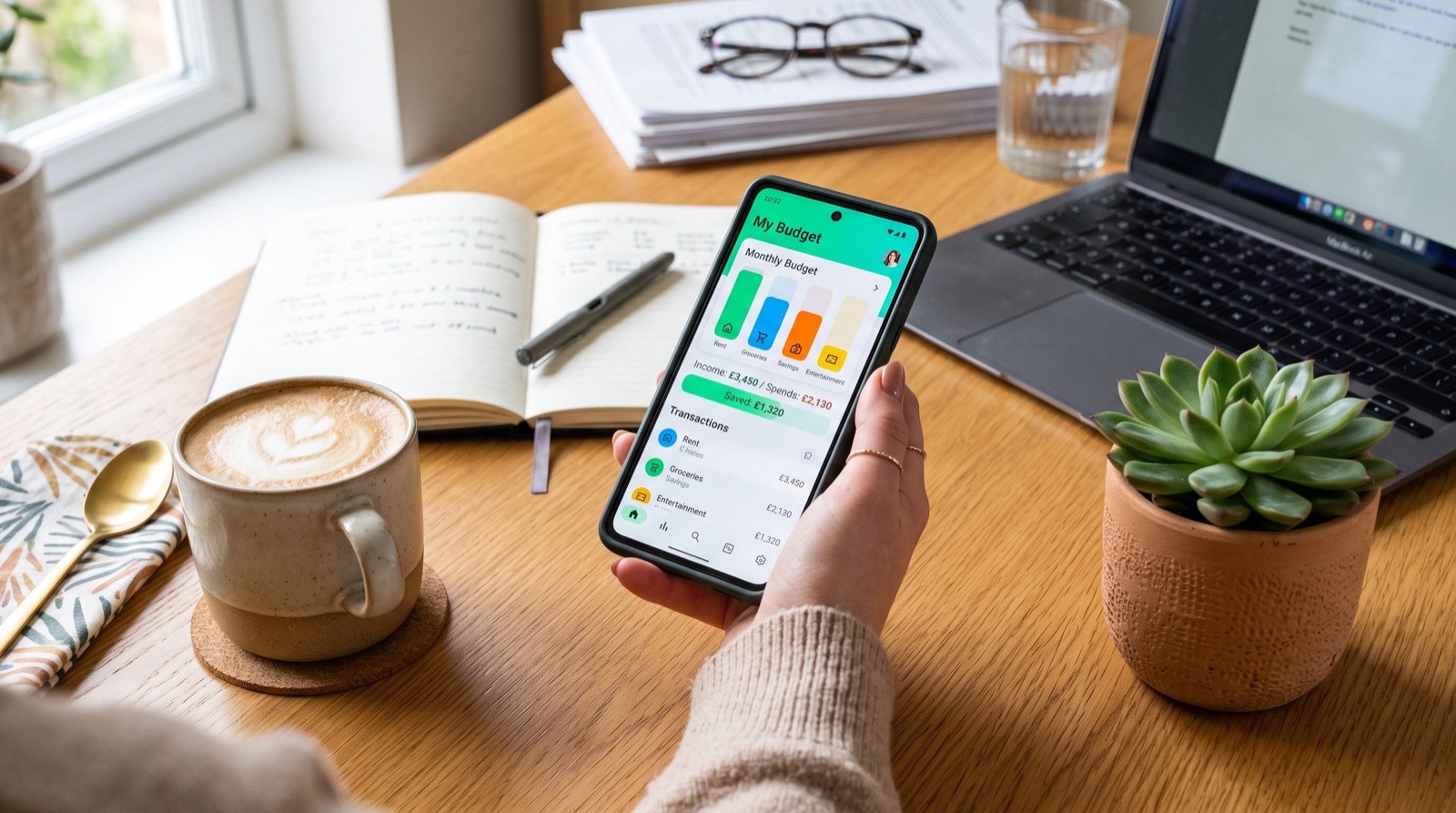
Budgeting apps win here. They link every account, sort each purchase, and flag categories creeping out of control. The best ones send a gentle alert before you blow your dining budget, not a guilty summary after.
3. For Saving Without Willpower
Automated savings apps quietly round up purchases or sweep small amounts into a separate pot. You barely notice the pennies leaving, yet the balance grows steadily. This is the closest thing to painless saving that exists.
4. For Growing Long-Term Wealth
Micro-investing apps turn spare change into diversified portfolios. They suit beginners who feel intimidated by traditional brokerages and want to start with a few dollars rather than a few thousand.
5. For Never Missing a Bill
Bill-tracking apps consolidate due dates, warn you early, and help you dodge late fees. For anyone juggling rent, utilities, and streaming services, this category alone can save real money each year.
Comparison: Best Money Apps by Category
Use this quick reference to match your goal to a category before you install anything.
| Goal | App Category | Key Feature | Who It Suits |
|---|---|---|---|
| Pay people fast | Peer-to-peer | Instant transfer | Roommates, groups |
| Spend less | Budgeting | Real-time alerts | Overspenders |
| Save more | Auto-savings | Round-ups | Busy savers |
| Grow wealth | Micro-investing | Fractional shares | New investors |
| Avoid late fees | Bill tracking | Due-date reminders | Multi-bill households |
What Separates the Best Money Apps From the Rest?
Three signals reliably mark the best money apps in 2026. First, transparency: fees, limits, and data practices are stated plainly, not buried. Second, speed: transfers, syncs, and alerts happen in real time, not tomorrow. Third, reliability: the app rarely crashes and support answers when things go wrong.
A practical, original tip: test an app with a small amount first. Move five dollars, check the fee, confirm the timing, and read one week of alerts before you trust it with your paycheck. This tiny experiment reveals more than any review.
It also helps to pair your app choices with solid personal finance tips, because the smartest app cannot fix a habit you refuse to change.
Common Mistakes to Avoid
- Installing too many apps and abandoning all of them within a month.
- Ignoring fee schedules and paying for instant transfers you did not need.
- Skipping two-factor authentication to save ten seconds at login.
- Chasing flashy features instead of solving your actual money problem.
Avoiding these four traps puts you ahead of most users instantly. When you want tailored guidance for your situation, consulting reputable service experts beats guessing your way through settings.
How to Combine the Best Money Apps Without Chaos
Using several apps only works if they cooperate rather than compete. The goal is a small, connected system, not a scattered pile of icons. Start by choosing one app per job and making sure each reads from the same primary bank account. That single decision keeps your numbers consistent across every screen.
Next, decide which app owns each task. Let your budgeting tracker be the single source of truth for spending. Let your payment app handle transfers only. Let your savings tool run quietly in the background. When roles are clear, you stop double-counting and second-guessing.
Set a monthly reconciliation ritual. Once every four weeks, open each app, confirm the balances agree, and cancel anything you no longer use. This ten-minute audit prevents the slow drift that leaves people paying for tools they abandoned months ago.
Finally, protect the whole system with one strong, unique password per app and a password manager to remember them. A connected stack is convenient, but it also means one weak login can expose several accounts, so treat security as the foundation rather than an afterthought.
Money App Trends Shaping 2026
Two shifts stand out this year. First, real-time everything: balances, alerts, and transfers now happen instantly, and apps that lag feel dated. Second, smarter automation: apps increasingly predict upcoming bills and warn you before a shortfall, turning reactive budgeting into proactive planning.
These trends favor users who embrace automation and clear design. The best money apps of 2026 do more thinking for you, but they still reward the person who checks in regularly and stays in the driver’s seat.
Frequently Asked Questions
What are the best money apps for beginners in 2026?
Start with one simple budgeting app and one peer-to-peer payment app. This combination covers everyday needs without overwhelming you, and you can add investing or savings tools later.
Are the best money apps free?
Most offer strong free tiers. You usually pay only for premium insights, instant transfers, or advanced investing features, so confirm what is truly optional before subscribing.
Can one app do everything?
Some all-in-one apps come close, bundling payments, budgeting, and savings. However, focused apps often perform each task better, so many users prefer a small, deliberate combination.
How do I know an app is trustworthy?
Check for bank-level encryption, clear privacy terms, strong recent reviews, and a real support channel. Test it with a small transaction before relying on it fully.
Final Word
The best money apps in 2026 are the ones that quietly solve your specific problem, whether that is spending less, saving effortlessly, or paying people in seconds. Rank your goals first, then let the categories above guide your choice. Start small, test carefully, and secure every account. Do that, and your phone becomes a genuine financial ally instead of another source of noise.